Carpentry Upgrades That Add the Most Value to Your Home
Which carpentry upgrades pay off when you sell and which are just for you. Kitchens, closets, doors and repairs to weigh before you renovate.
Before renovating, almost every homeowner asks the same question: will I ever get this money back? The answer depends less on the project itself and more on a decision you make first: are you planning to live in the house for years, or sell it soon? The same budget can be a smart investment in one case and money down the drain in the other.
First, decide why you’re renovating
There are two different logics here, and it pays not to mix them up:
- Upgrades to enjoy: you do them for yourself, to fit your taste and daily routine. Comfort rules, along with whatever makes you happy every day, even if the next owner doesn’t care.
- Upgrades to sell: you do them for a buyer you haven’t met yet. What matters is a neutral look, visible durability, and fixing the flaws that knock down the price during a showing.
The expensive mistake is renovating “to sell” with very personal choices, or renovating “to enjoy” with cheap finishes because you might move anyway, and then staying another ten years.
The carpentry upgrades buyers value most
When someone tours a house, carpentry is one of the first things they touch: they open cabinets, pull drawers, look inside closets. These are the projects that weigh most on that first impression:
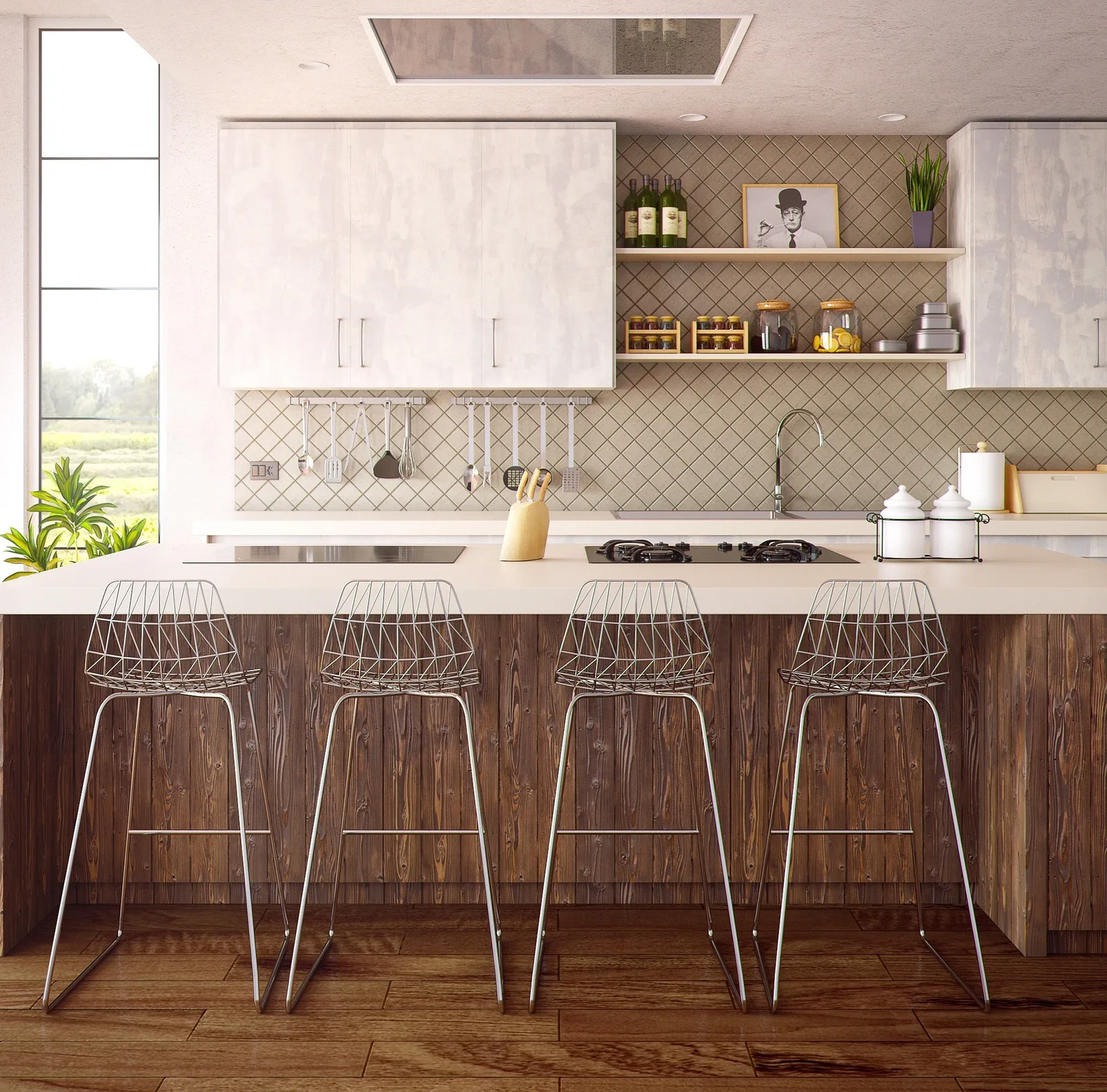
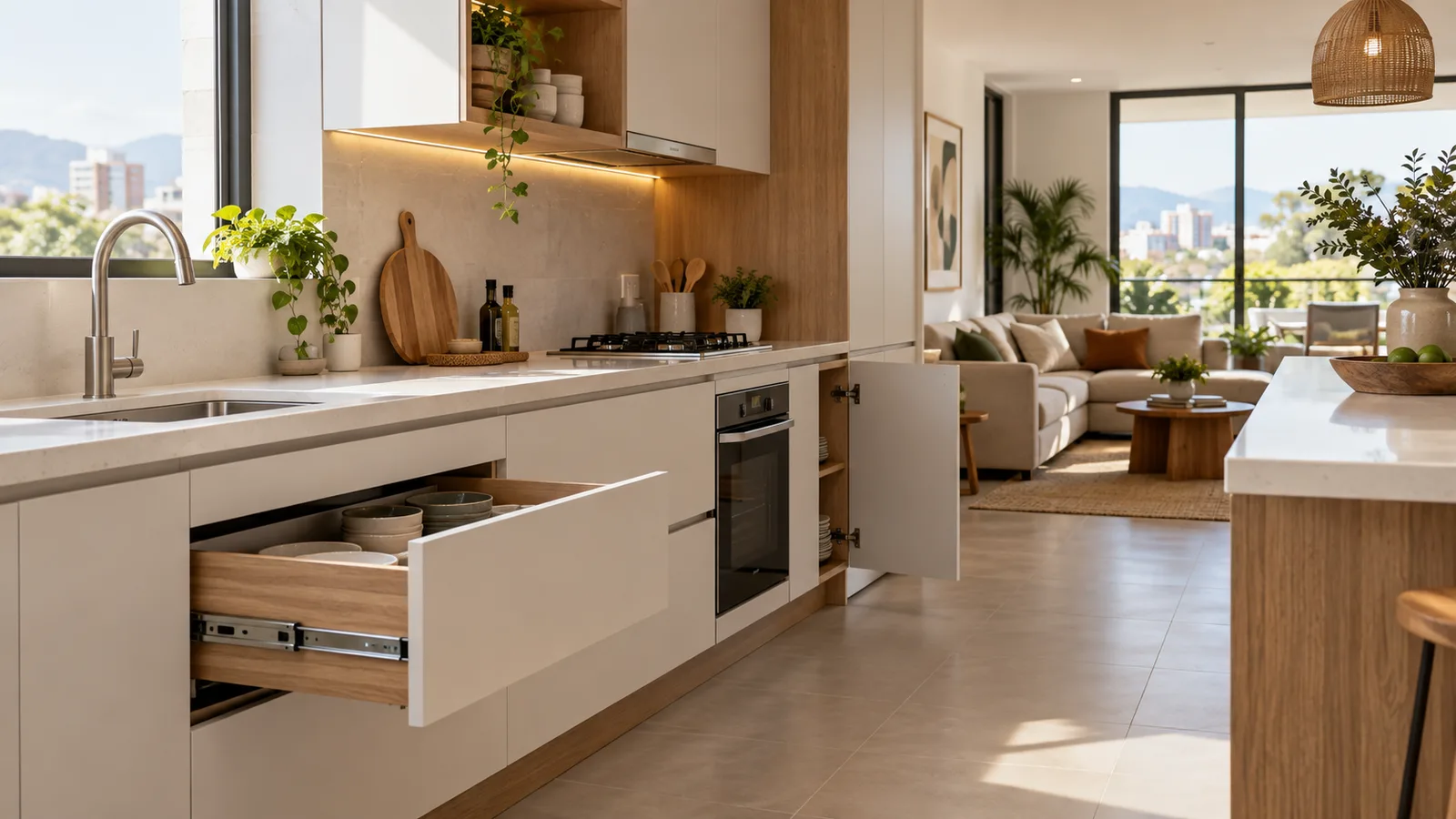
- Kitchen cabinets in good shape. You don’t always need a new kitchen. Replacing door fronts, adding soft-close hinges (the kind that slow the door before it slams) and full-extension drawer slides changes how the whole kitchen feels. If the cabinet boxes are swollen from moisture, though, they need to be replaced: a buyer will spot it in seconds.
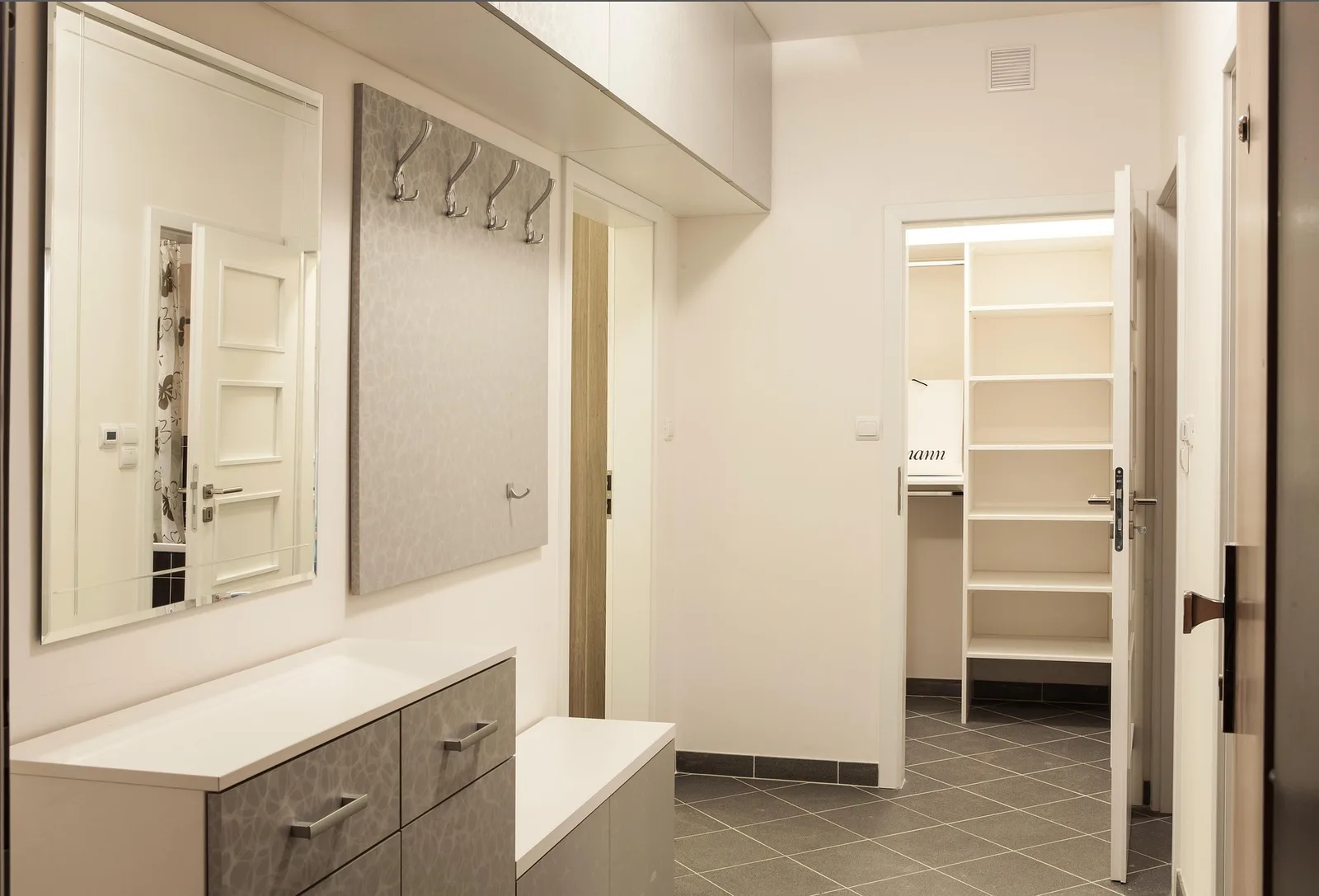
- Functional bedroom closets. A bedroom with a well-organized closet (hanging rod, shelves and drawers) reads as “move-in ready.” One without a closet makes the buyer add a cost in their head.
- Interior and front doors. Doors that stick, loose frames or wobbly locks signal neglect throughout the house. Adjusting or replacing them is one of the cheapest and most visible investments you can make.
- Storage in shared areas. A well-planned pantry or laundry cabinet adds value because it answers a universal complaint: not enough room to put things away.
In every case, what buyers value is that it looks solid and doesn’t need fixing, not that it’s spectacular.
Upgrades to enjoy: when they’re worth it
Some projects are hard to recoup when you sell, but they can be the best decision if you’re staying:
- Highly personalized furniture: a full wall of built-in bookshelves, a desk built to the exact size of your equipment, a media unit made for the TV you own today.
- Signature finishes: exotic woods, bold colors, very on-trend designs.
- Single-purpose spaces: a huge walk-in closet that swallows a bedroom, a built-in bar.
None of this is a bad idea. Just see it for what it is: spending on quality of life, not a real estate investment. If you’re selling soon, a buyer may look at that built-in bookcase as something they’ll have to tear out.
Materials: where to invest and where not to
The material decides how long the work lasts and how it looks five years from now.
- Melamine (particleboard with a plastic-like surface): a good choice for closets and furniture in dry areas. Make sure the edge banding, the strip that covers the board’s exposed edges, is well bonded; if it peels, moisture gets in.
- MDF (medium-density fiberboard): great for painted fronts thanks to its smooth surface, but it doesn’t handle moisture. Keep it out of bathrooms and away from the sink base.
- Plywood or solid wood: more resistant to moisture and to the years. In kitchens and bathrooms, the cabinet under the sink is where the difference shows most.
If you plan to sell, invest in what buyers touch and in what water damages. If you plan to stay, also invest in what you use every day, even if nobody else sees it.
What to check before asking for quotes
Before calling a carpenter, get clear on these points:
- How many more years do you plan to stay in the house?
- Which areas have real problems (moisture, doors out of square, swollen cabinets) and which are just a matter of taste?
- Can the existing cabinet boxes be kept, replacing only fronts and hardware?
- What hardware does each quote include? Two quotes for the same piece can vary a lot just because of hinges and slides.
With these answers you can compare quotes with real criteria and prioritize what actually moves your home’s value.
If you’re about to renovate, whether to stay or to sell, it’s worth having a carpenter look at your home before you decide. Ask for an assessment and we’ll help you separate what’s worth fixing now from what can wait.
Get a project assessment
We'll help you prioritize what to renovate first, whether you're selling your home or enjoying it.
We've received your project!
We're looking for an available professional for your request. An independent carpenter from our network will reach out to go over the details and put together a quote.
Keep your phone handy so we can get to your request as soon as possible.